To complete her research on antiscalants, Olivia worked at Zhong Research Group at Yale University during Summer 2026.
Effects of Antiscalant Concentration, pH, and Co-Salts on Silica Polymerization Inhibition
Abstract
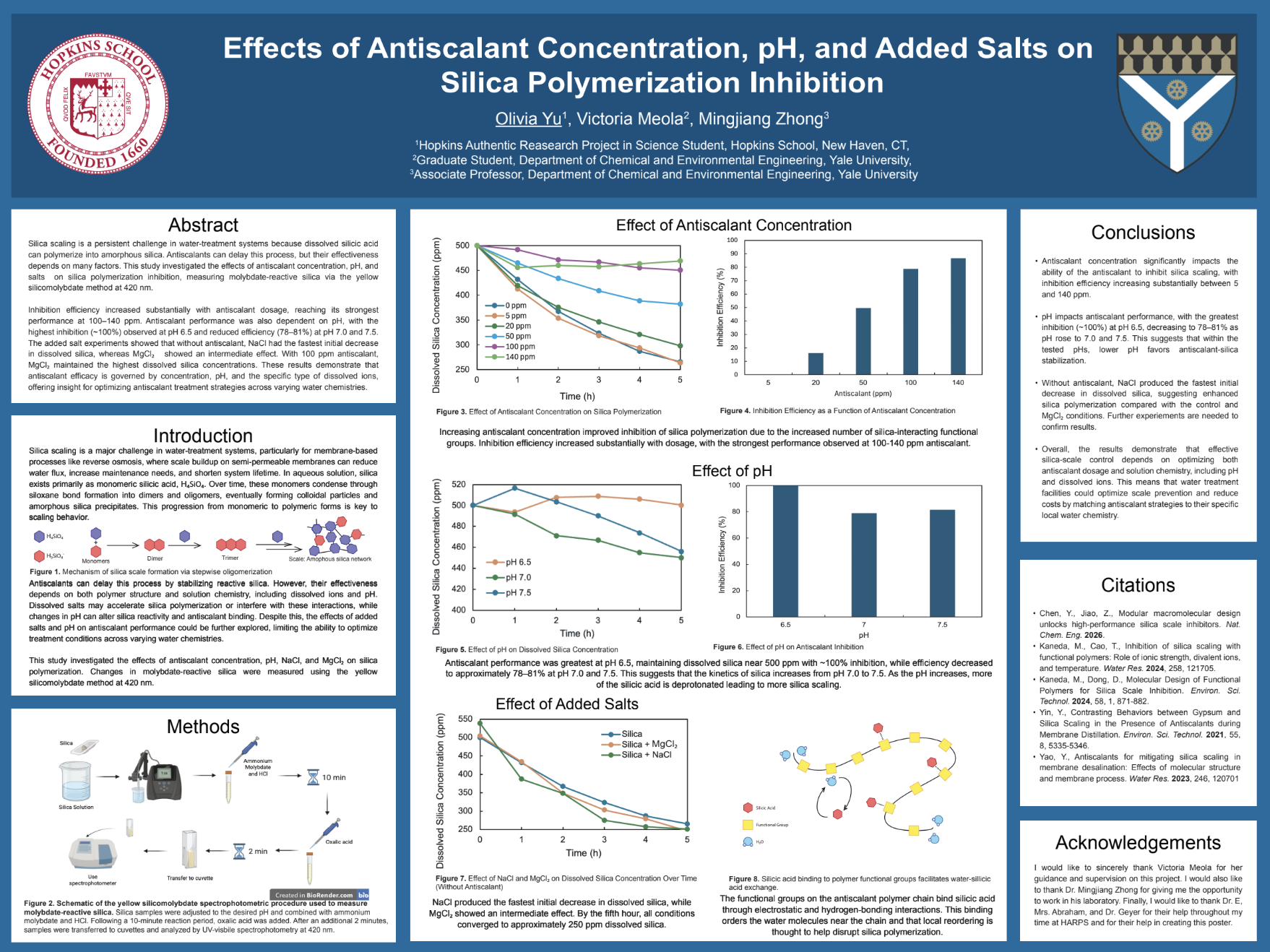
Silica scaling is a persistent challenge in water-treatment systems as dissolved silicic acid can polymerize into amorphous silica. Antiscalants can delay this process, but their effectiveness depends on many factors that are not well known. This study investigated the effects of antiscalant concentration, pH, and co-salts on silica polymerization inhibition, measuring molybdate-reactive silica via the yellow silicomolybdate method at 420 nm.
Inhibition efficiency increased substantially with antiscalant dosage, reaching its strongest performance at 100–140 ppm. Antiscalant performance was also dependent on pH, with the highest inhibition (100%) observed at pH 6.5 and reduced efficiency (78–81%) at pH 7.0 and 7.5. The co-salt experiments showed that divalent Mg2+ interfered with antiscalant activity more than monovalent Na+, resulting in lower dissolved silica retention in MgCl₂ solutions at equivalent ionic strength. These results demonstrate that antiscalant efficacy is governed by concentration, pH, and the specific type of co-dissolved ions, offering insight for optimizing antiscalant treatment strategies across varying water chemistries.
Research Poster
-
![]()
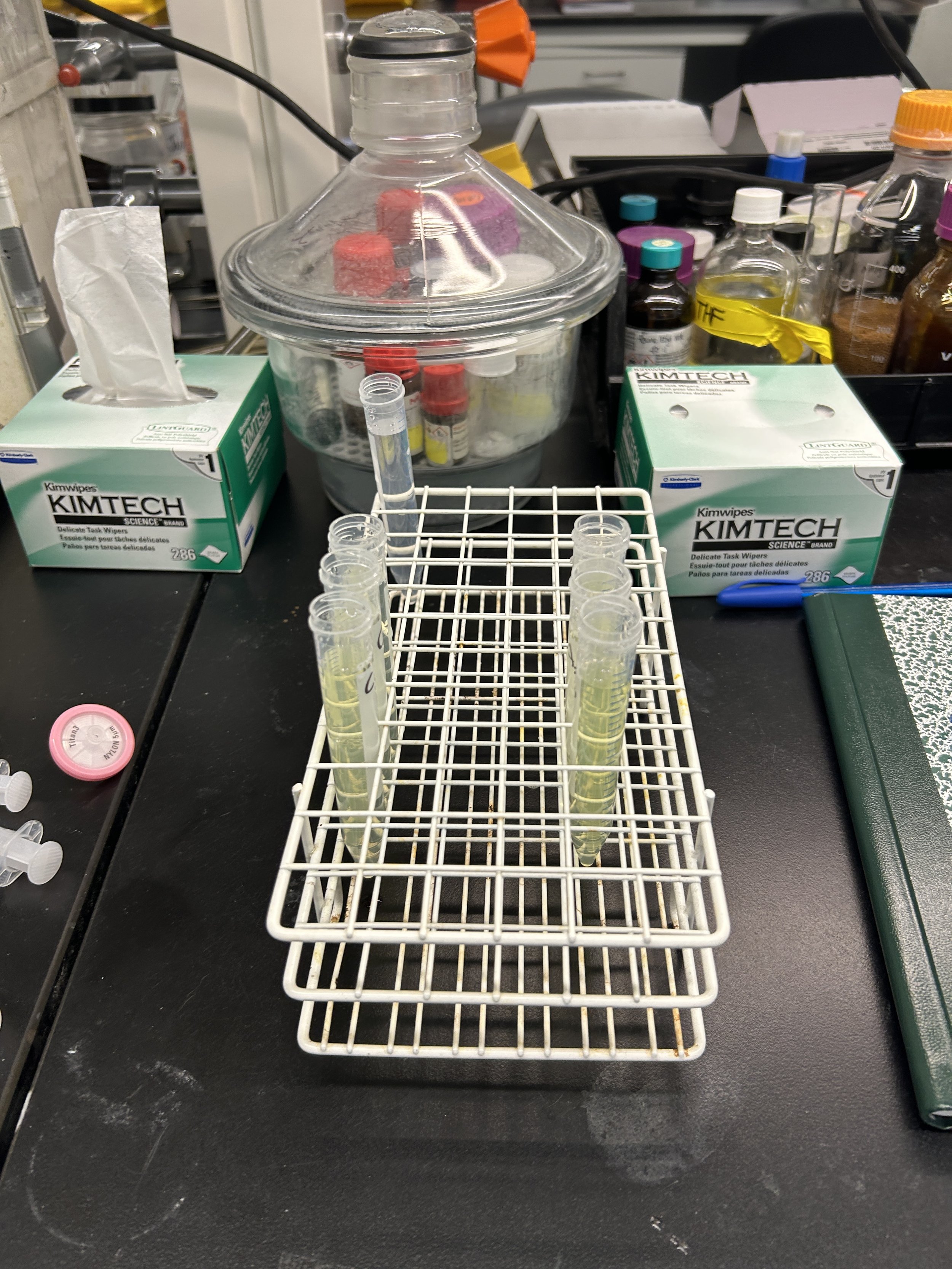
Conducting Yellow Molybdate Test
-
![]()
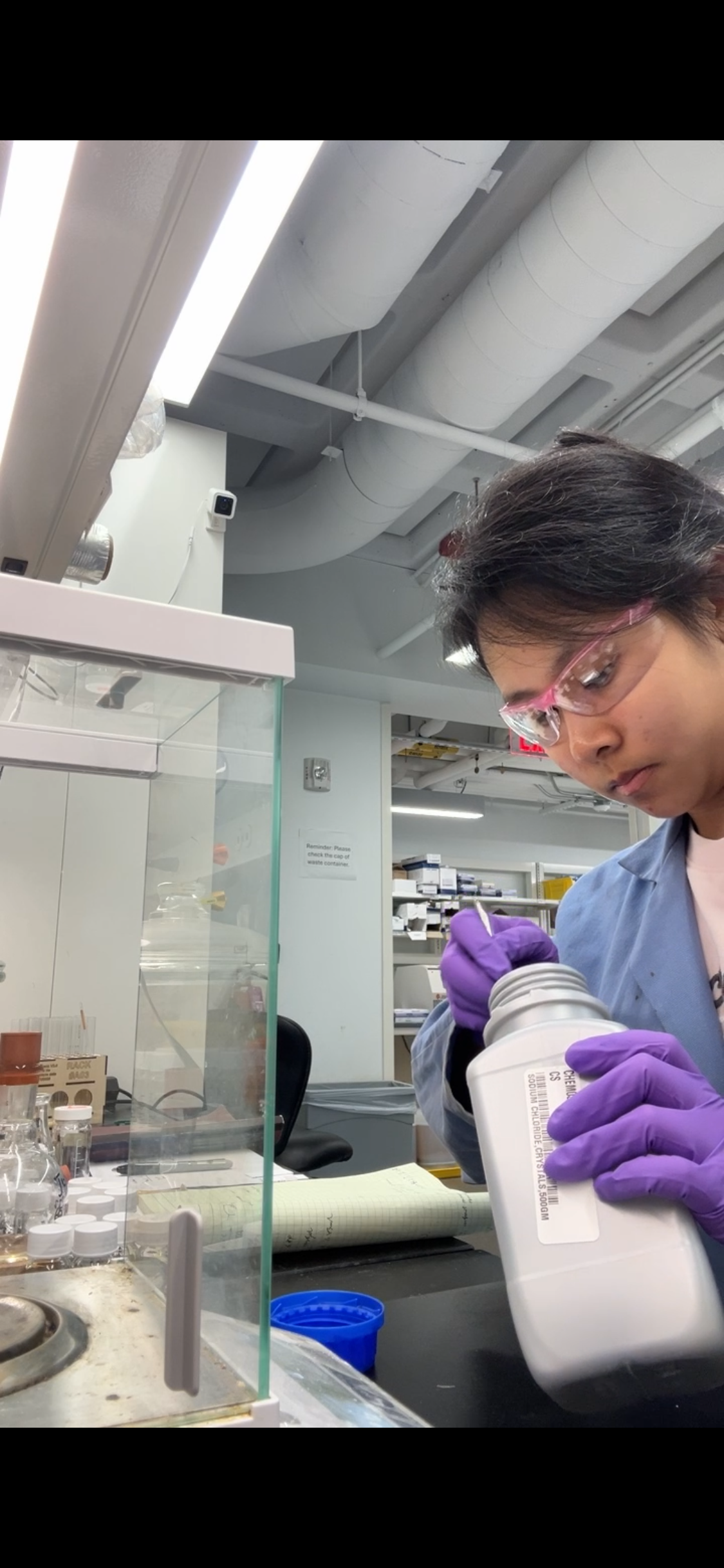
Olivia Weighing the Sodium Silicate
-
![]()
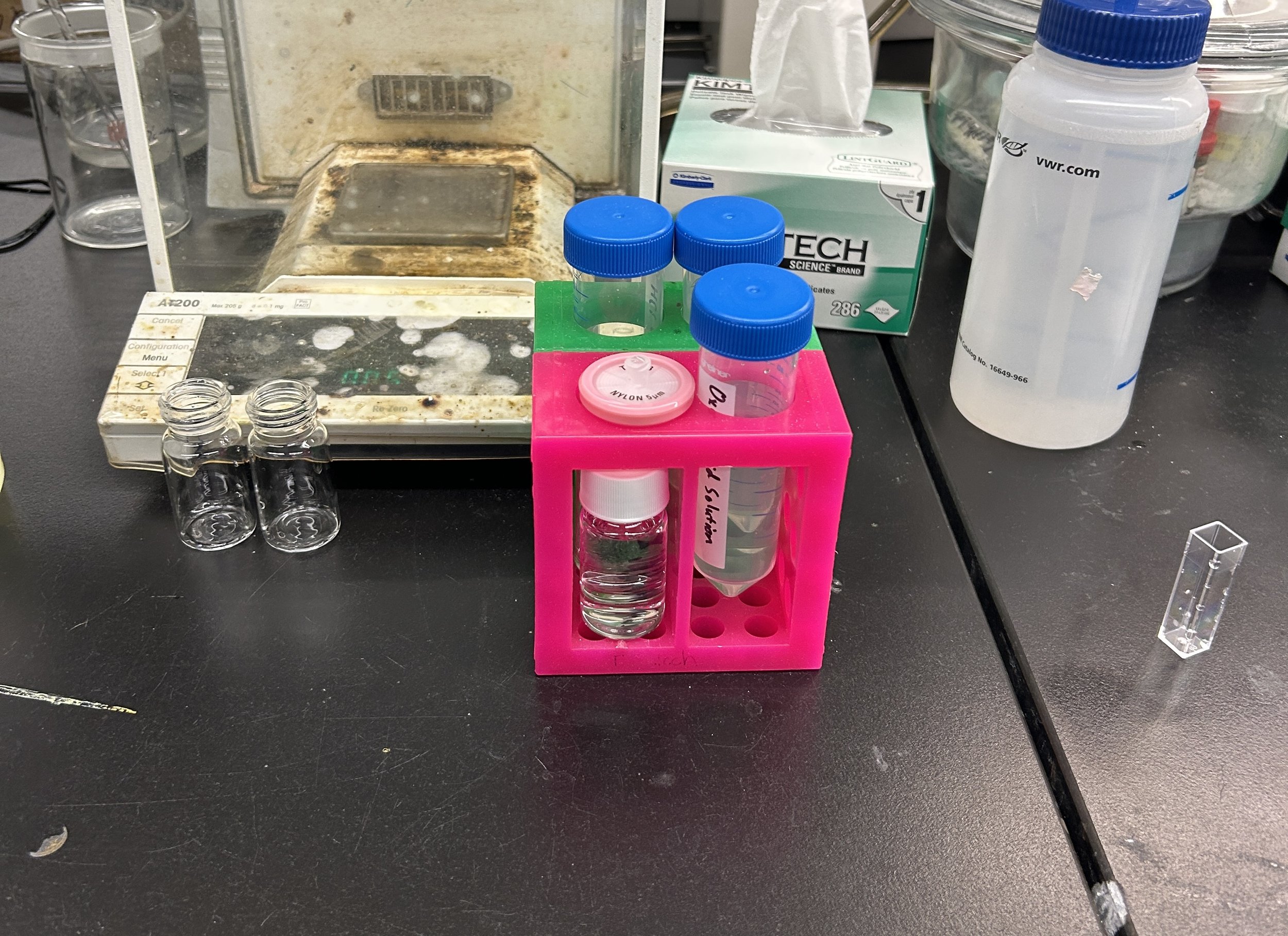
Prepared Reagents (Ammonium Molydbate, HCl, and Oxalic Acid)
-
![]()
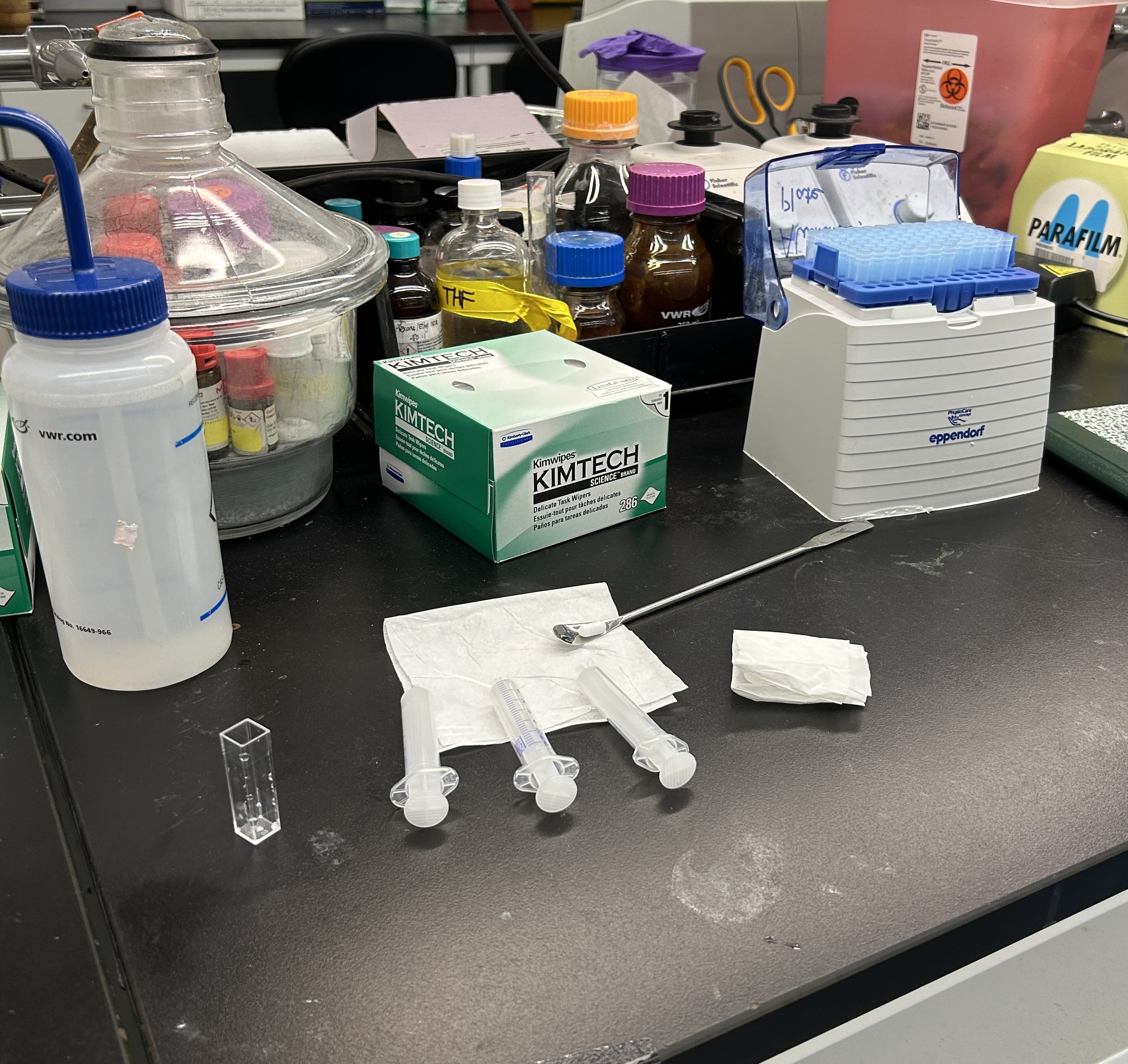
Lab Bench with Tools
-
![]()
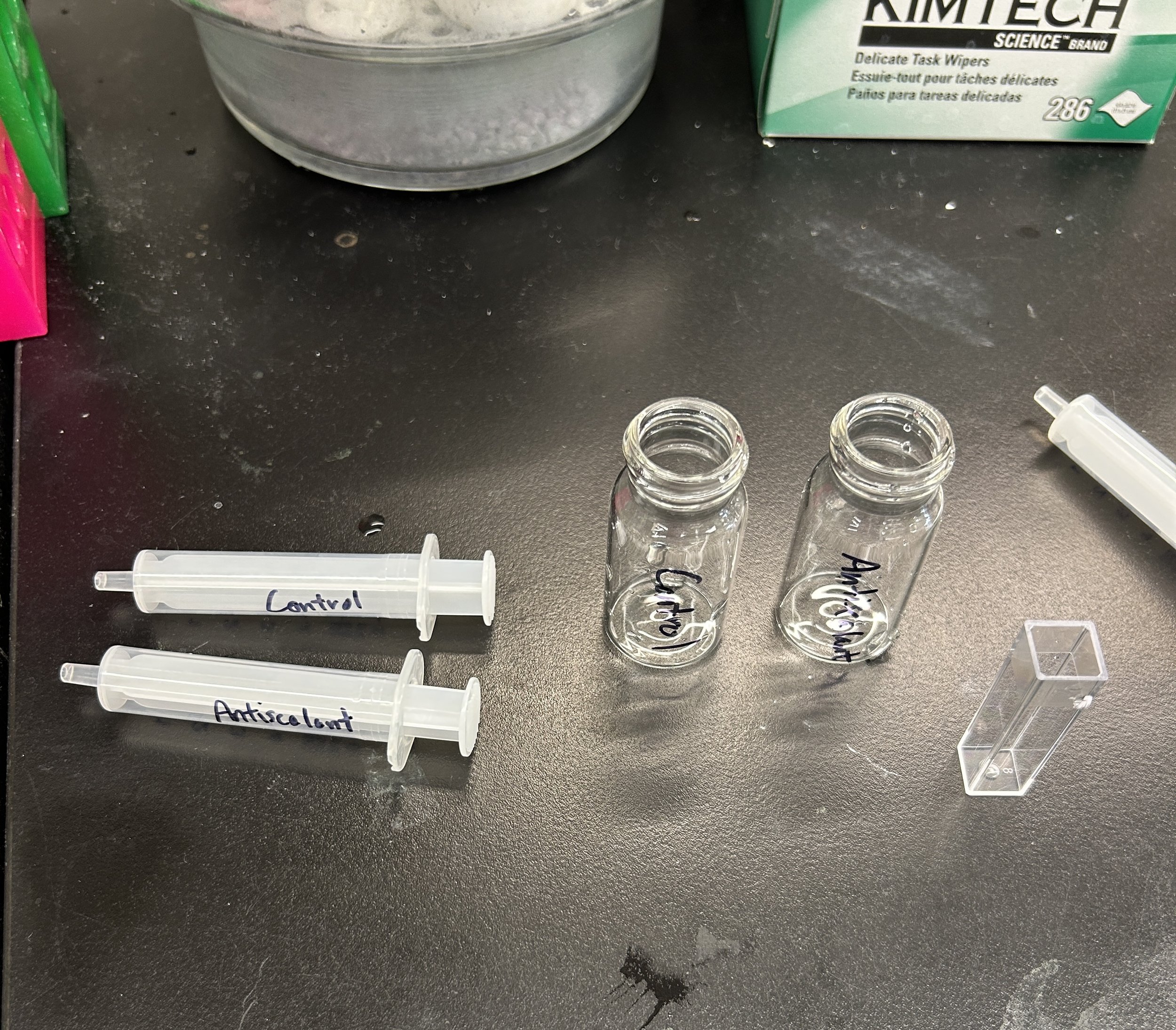
Syringes and Glass Vials for Filtering
-
![]()
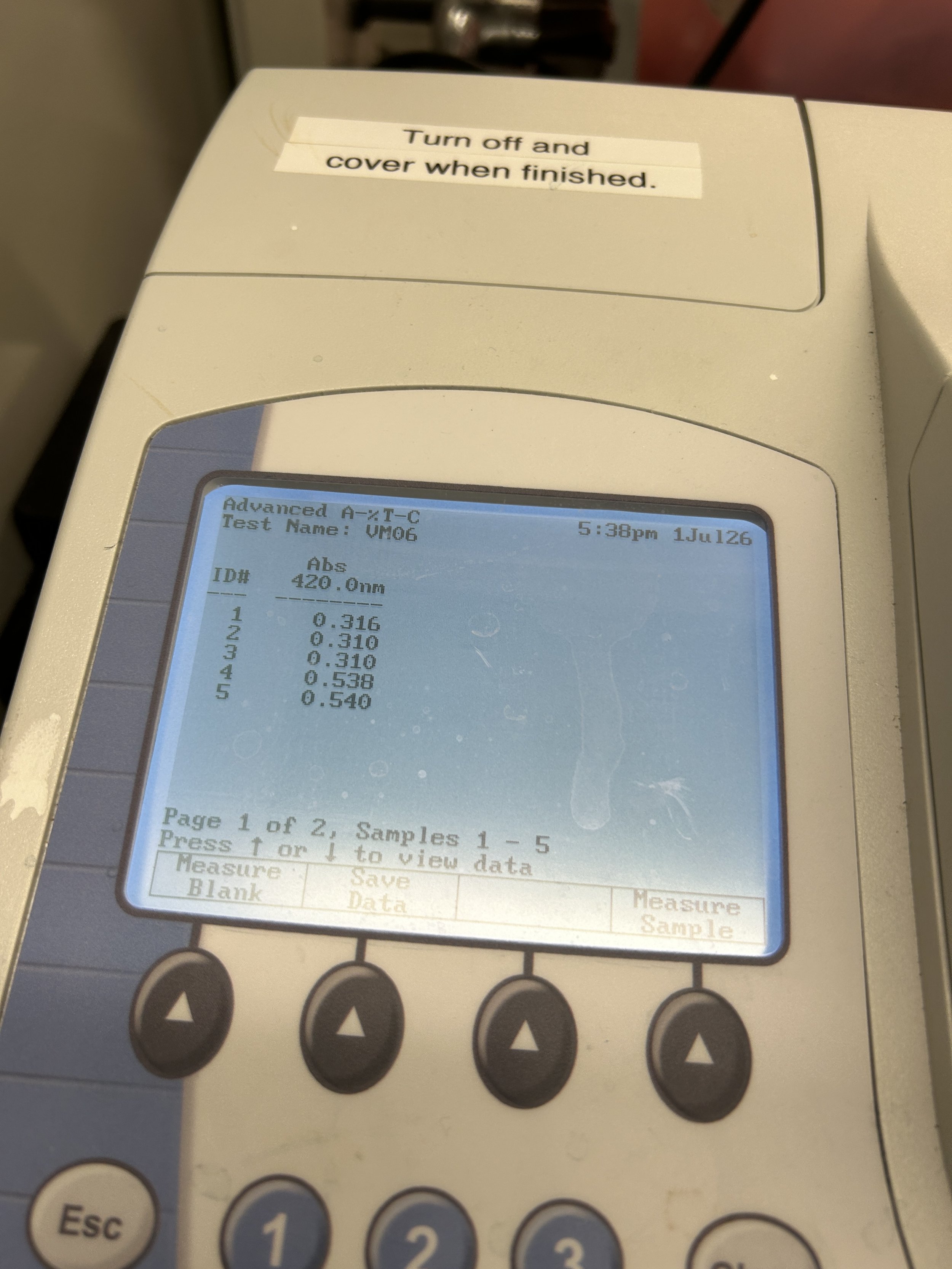
Data Collection via Spectrophotometer
-
![]()
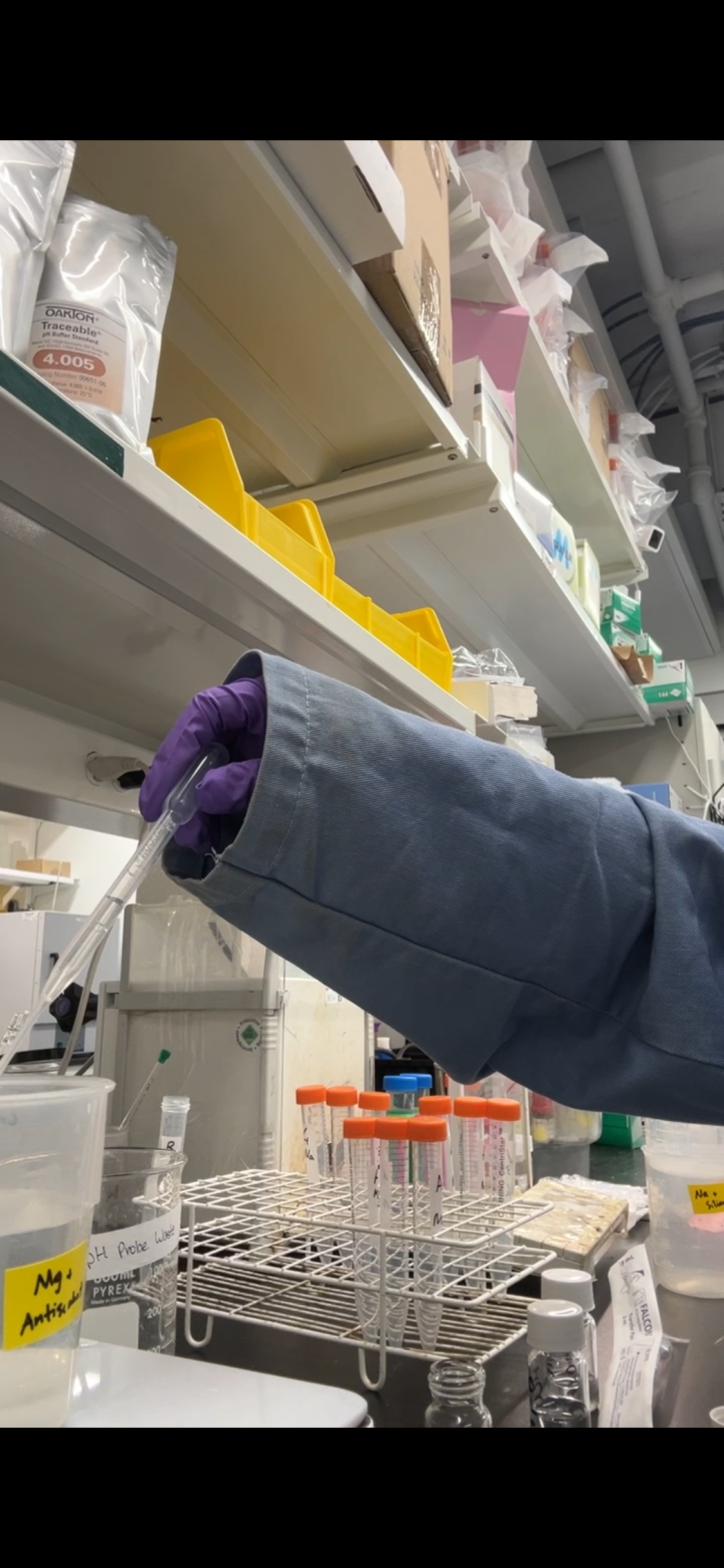
Olivia adding HCl to the Solution to bring the pH down to 7.0